There's a quiet satisfaction in bringing home the perfect ingredient, knowing it's destined for something truly delicious. When it comes to seafood, few experiences match the delicate elegance of Dory fish. But how do you navigate the fish market or supermarket aisles to ensure you're Buying & Selecting Dory Fish that will truly shine on your plate? It’s more than just picking a fillet; it's about understanding what makes this fish special and spotting the signs of peak freshness.
This guide is your trusted companion, designed to cut through the confusion and equip you with the knowledge to choose Dory fish like a seasoned chef, ensuring your next meal is nothing short of memorable.
At a Glance: Your Quick Dory Selection Checklist
Before we dive deep, here are the key takeaways for smart Dory fish selection:
- Know Your Dory: Ensure you're buying culinary Dory (John Dory), not the blue tang from "Finding Nemo."
- Freshness First: Look for clear, bulging eyes (on whole fish), bright red gills, firm flesh, and a fresh, oceanic scent.
- Source Smart: Ask about origin and sustainability. Look for certifications where available.
- Fillet or Whole? Fillets offer convenience; whole fish provide bones for stock and visual appeal, but require cleaning.
- Frozen Wisdom: Opt for individually quick-frozen (IQF) Dory with minimal ice crystals and intact packaging.
- Handle with Care: Dory is delicate. Keep it well-chilled and cook promptly.
Clarifying the Catch: What is Dory Fish (and What Isn't)?
Before you even think about buying, let’s clear up a common misconception that often trips up even seasoned seafood lovers. The term "Dory fish" can be a bit ambiguous, thanks in part to a certain beloved animated character.
John Dory: The Culinary Star
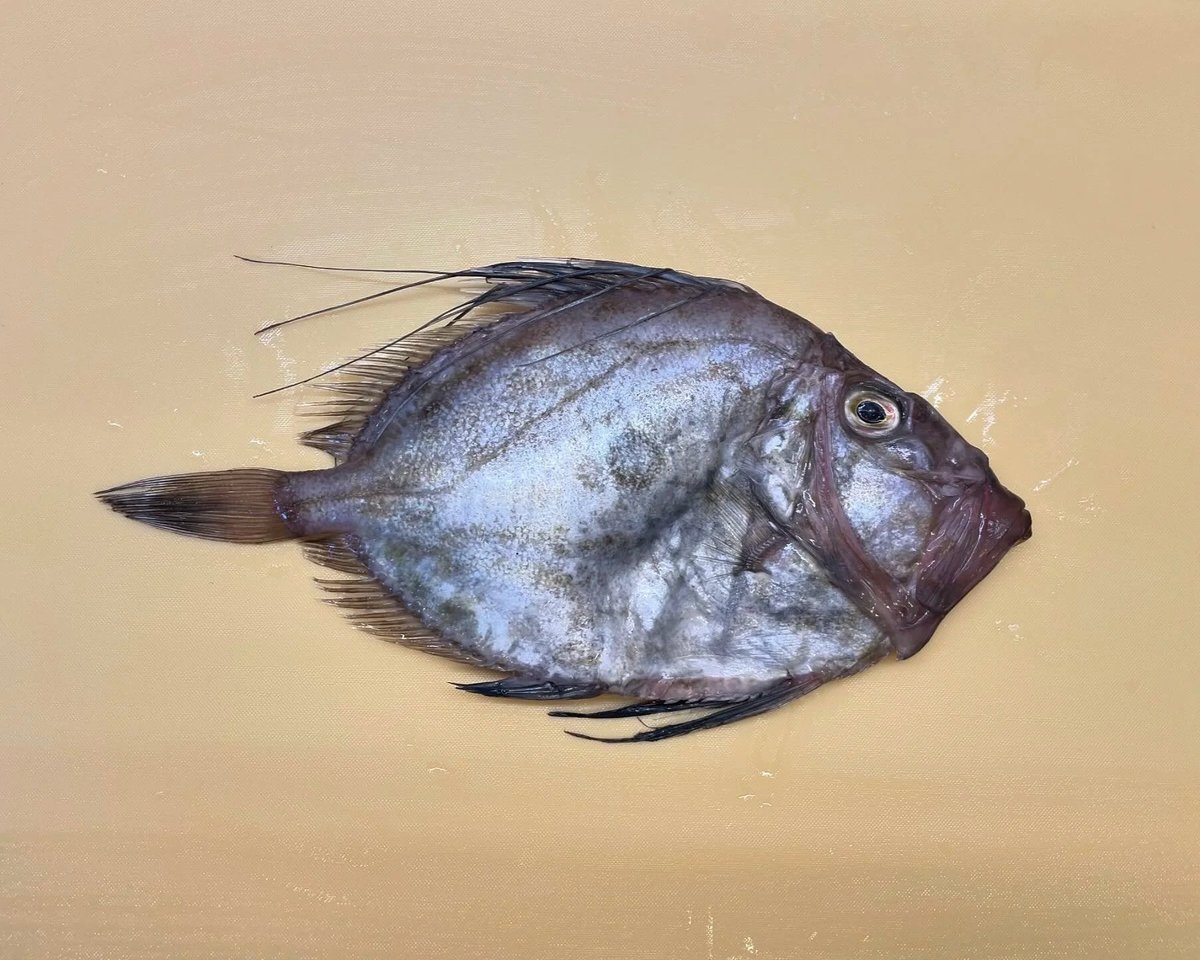
When chefs and fishmongers talk about Dory fish for eating, they are almost universally referring to John Dory. This is a distinctive, intriguing-looking fish with a flattened, roundish body, a large, almost perpetually pouting mouth, and prominent eyes that seem to gaze thoughtfully. Its skin is smooth and typically a grayish-brownish hue, but its most iconic feature is a dark, oval-shaped spot on its side, often likened to a thumbprint. It’s said this mark was left by St. Peter himself – giving it the alternate name "St. Peter's Fish."
John Dory inhabits temperate and subtropical waters around the globe, from the Atlantic to the Pacific and Indian Oceans, usually dwelling in deeper areas. As ambush predators, they're opportunists, but for us, they're simply a treat. Their flesh is delicate, flaky, and offers a subtle, slightly sweet flavor that makes them incredibly versatile in the kitchen. For a deeper dive into this fascinating species and its culinary potential, explore All about dory fish.
The "Finding Nemo" Dory: A Different Fish Entirely
Now, for the record: the cheerful, forgetful Dory from the movie "Finding Nemo" is not a John Dory. The animated character is a blue tang fish, also known as a regal tang or palette surgeonfish. These fish are brilliantly blue and yellow, native to the Indo-Pacific, and while stunning to look at, they are strictly ornamental.
If you encounter vendors trying to sell "Dory fish" for consumption that look anything like the cartoon character, walk away. These beautiful creatures are meant for vibrant reef aquariums, not dinner plates. They have specific care requirements, needing large tanks (minimum 100 gallons), a herbivorous diet, and can be territorial. The aquarium trade for blue tangs also raises significant conservation concerns, highlighting the importance of sourcing from sustainable practices if you're considering one as a pet. But for culinary purposes, stick to the real John Dory.
Our focus for the remainder of this guide is squarely on the exquisite John Dory, the true star of the seafood world.
Why Choose John Dory for Your Plate?
With so many fish in the sea, what makes John Dory a standout choice for your next delicious meal? It boils down to a few key attributes:
- Delicate, Sweet Flavor: John Dory boasts a clean, mild flavor profile that’s subtly sweet. It’s not overly "fishy," making it a superb option even for those who are hesitant about seafood. This delicate taste allows it to pair beautifully with a wide range of herbs, spices, and sauces without being overpowered.
- Tender, Flaky Texture: When cooked correctly, John Dory’s flesh is incredibly tender and flakes easily. Its fine texture is a hallmark of quality white fish, providing a luxurious mouthfeel.
- Versatility in Cooking: While delicate, John Dory is remarkably adaptable. It performs beautifully in various cooking methods, from quick pan-frying to gentle baking. This versatility means you can prepare it in many ways to suit your mood or dietary preferences.
- Quick Cooking Time: John Dory cooks relatively quickly, making it an excellent choice for weeknight meals when you're short on time but unwilling to compromise on quality. Just be mindful, as this quick cooking time also means it can be easily overcooked.
The Art of Buying John Dory Fish: What to Look For
Selecting the freshest, highest-quality John Dory is paramount to enjoying its exquisite flavor and texture. Here’s your detailed guide to making the best choice, whether you're at a bustling fish market or a well-stocked supermarket.
Indicators of Unbeatable Freshness (Whole Fish)
If you have the opportunity to buy a whole John Dory, these are the tell-tale signs of a truly fresh specimen:
- Eyes Bright and Clear: This is often the first indicator. The eyes of a fresh John Dory should be bright, clear, and plump, bulging slightly, as if the fish is still looking at you. Avoid fish with cloudy, sunken, or dull eyes, which are clear signs of age.
- Gills Red and Moist: Gently lift the gill cover. The gills underneath should be a vibrant, almost blood-red color, and feel moist, not slimy or dry. Brown or pale gills indicate the fish is past its prime.
- Skin Shiny and Intact: John Dory has smooth skin. It should appear taut, shiny, and vibrant, without any discoloration, bruising, or excessive sliminess. The dark "thumbprint" spot should be distinct.
- Flesh Firm and Resilient: Press your finger gently but firmly into the fish's flesh just behind the head. It should spring back immediately, leaving no indentation. If the flesh feels soft, mushy, or leaves a dent, it's not fresh.
- Smell the Ocean, Not "Fishy": A truly fresh John Dory should have a clean, mild smell of the ocean – reminiscent of sea salt or cucumber. Any strong, pungent, or ammonia-like "fishy" odor means it's beginning to spoil. Trust your nose!
Choosing Fresh Fillets
Often, you’ll find John Dory pre-filleted. While you lose some of the whole-fish indicators, you can still assess freshness:
- Color: The flesh should be translucent and pearly white, with no signs of yellowing or browning.
- Texture: Like whole fish, fillets should be firm and moist, not slimy or dry. If packaged, avoid fillets swimming in milky liquid.
- Smell: Again, a fresh, clean, oceanic aroma is key.
- Cutting: Look for fillets that appear cleanly cut, indicating they were prepared by a skilled fishmonger. Ragged edges can sometimes signal hurried or less careful handling.
Understanding Frozen Dory Fish
While fresh is often preferred, high-quality frozen John Dory can be an excellent alternative, especially if you don't live near a coast or a specialty fish market. Freezing locks in freshness, often preserving the fish at its peak.
- Look for IQF (Individually Quick Frozen): This method freezes each fillet rapidly and separately, preventing large ice crystals from forming, which can damage the delicate cellular structure of the fish and lead to a mushy texture upon thawing.
- No Freezer Burn: Avoid packages with excessive ice crystals, frost, or discolored patches on the fish, which indicate freezer burn or that the fish has been thawed and refrozen.
- Intact Packaging: Ensure the packaging is airtight and sealed to prevent dehydration and freezer burn. Vacuum-sealed packages are ideal.
- Thawing: Always thaw frozen Dory slowly in the refrigerator overnight. Never thaw at room temperature or with hot water, as this can compromise texture and safety. Once thawed, pat the fish dry with paper towels before cooking to ensure a good sear.
Where to Buy John Dory
- Local Fish Markets: These are often your best bet for the freshest whole fish and expert advice. You can usually speak directly to the fishmonger about the catch of the day, origin, and best cooking methods.
- Larger Supermarkets with Dedicated Seafood Counters: Many upscale or larger grocery stores have excellent seafood departments. Ask the fishmonger behind the counter for their recommendations and specific origin information.
- Specialty Seafood Suppliers/Online Retailers: For those without easy access to fresh seafood, reputable online suppliers can deliver fresh or flash-frozen John Dory directly to your door. Do your research to ensure they have strong reviews and transparent sourcing practices.
Sustainability & Sourcing: Making Responsible Choices
As conscientious consumers, understanding the journey of our food from ocean to plate is increasingly important. When buying John Dory, asking about its sustainability and origin helps you make informed choices that support healthy marine ecosystems.
- Regional Variations: The sustainability of Dory fish populations can vary significantly by region and specific fishing practices. What's sustainable in one part of the world might not be in another.
- Ask Your Fishmonger: Don't hesitate to inquire about where the John Dory was caught and how. Reputable fishmongers will often have this information readily available.
- Look for Certifications: In some regions, you might find John Dory that carries sustainability certifications from organizations like the Marine Stewardship Council (MSC) or others specific to your country. These labels indicate that the fish has been caught using practices that minimize environmental impact and maintain healthy fish stocks.
- Fishing Methods: John Dory is often caught by trawling or gillnetting. While these methods can sometimes be associated with bycatch (unintended capture of other species), ongoing efforts are being made to improve their selectivity and reduce their ecological footprint. Choosing Dory from well-managed fisheries is key.
By actively seeking out sustainable options, you contribute to the long-term health of our oceans and ensure that future generations can also enjoy this delicious fish.
Bringing Your Dory Home: Storage & Preparation
Once you’ve selected your pristine John Dory, proper handling and preparation are crucial to preserving its quality and ensuring a delightful meal.
Immediate Storage
Dory fish, like all fresh seafood, is highly perishable.
- Refrigerate Immediately: As soon as you get home, unwrap the fish (if it came in non-breathable packaging), rinse it under cold water, and pat it thoroughly dry with paper towels.
- Ice Bath Method: Place the Dory fillets or whole fish in a shallow dish, set that dish inside a larger container, and surround it with ice. Cover loosely with plastic wrap or parchment paper. This method keeps the fish consistently cold, extending its freshness by a day or two.
- Use Promptly: Aim to cook fresh John Dory within 1-2 days of purchase.
Cleaning Your Whole John Dory
If you purchased a whole John Dory, it will need a bit of preparation before cooking:
- Scaling: While John Dory has relatively smooth skin, there may be some fine scales. Hold the fish firmly by the tail and, using the back of a knife or a fish scaler, scrape against the grain of the scales from tail to head, working under cold running water to minimize mess.
- Gutting: Make a shallow incision along the belly from the anal fin to the head. Carefully remove all internal organs. You might need to use a spoon to scrape out any remaining bits along the backbone.
- Rinsing: Rinse the fish thoroughly, both inside and out, under cold running water. Pay special attention to the cavity to ensure it’s clean. Pat dry with paper towels before seasoning and cooking.
Handling Delicate Fillets
John Dory fillets are delicate, so handle them gently to prevent tearing. Pat them very dry before cooking. Excess moisture will steam the fish rather than allow it to develop a beautiful sear.
Cooking Your John Dory: A Quick Guide to Perfection
John Dory's delicate nature means it cooks quickly and can easily be overcooked, leading to a dry, less enjoyable texture. The key is moderate heat and careful timing.
Recommended Cooking Methods:
- Baking: This is a fantastic method for preserving moisture.
- Preparation: Season your Dory fillets with salt, pepper, a squeeze of lemon juice, a drizzle of good olive oil, and your favorite fresh herbs like rosemary, thyme, or a pinch of chili flakes for a subtle kick.
- Technique: Place the seasoned fillets on a baking sheet lined with parchment paper. Bake in a preheated oven (around 375°F / 190°C) for typically 8-12 minutes, depending on thickness, or until the fish is opaque and flakes easily with a fork.
- Pan-Frying: A classic choice that yields a lovely golden crust.
- Preparation: Pat fillets very dry. Season with salt and pepper. Lightly flour if desired for an extra crisp crust.
- Technique: Heat a non-stick or cast-iron pan over moderate-high heat with a little oil (like olive oil or a neutral cooking oil). Once the oil shimmers, carefully place the fillets in the pan. Cook for about 2-4 minutes per side, depending on thickness, until golden brown and cooked through. Be careful not to overcrowd the pan.
- Grilling: While an option, grilling John Dory is prone to overcooking due to its delicate structure.
- Preparation: If grilling, consider using a fish basket or wrapping the Dory in foil with some aromatics (lemon slices, herbs) to protect it and keep it moist.
- Technique: Cook over medium heat for a short duration, checking frequently for doneness.
No matter the method, remember John Dory's quick cooking time. A perfectly cooked Dory fillet will be opaque throughout and flake effortlessly.
Common Questions About John Dory Fish
You've got questions, we've got answers. Here are some frequently asked queries about John Dory.
Is John Dory expensive?
John Dory is generally considered a premium fish, so its price point is often higher than more common white fish like cod or tilapia. Its unique flavor, delicate texture, and sometimes less abundant catch contribute to its cost. However, a little goes a long way, and its culinary quality often justifies the investment for a special meal.
Can I substitute John Dory for another fish?
While John Dory's flavor and texture are unique, if you need a substitute, look for other delicate, flaky white fish. Good options include sole, halibut, or snapper. Keep in mind that cooking times and specific flavor nuances will vary.
Is John Dory good for kids?
Yes! Its mild, slightly sweet flavor and tender, flaky texture make it a fantastic option for children. It's not "fishy" and can be easily incorporated into kid-friendly dishes. Just ensure any bones are removed if serving fillets.
How long does cooked John Dory last?
Cooked John Dory should be consumed within 2-3 days if stored properly in an airtight container in the refrigerator. For best quality and safety, it's always best to enjoy it fresh.
What are the nutritional benefits of John Dory?
Like most white fish, John Dory is an excellent source of lean protein and low in fat. It also provides essential vitamins and minerals, though specific nutritional data can vary. It's a healthy addition to a balanced diet.
Your Next Delicious Meal Awaits: Final Tips for Dory Success
You're now equipped with the knowledge to confidently buy and select the finest John Dory fish. Remember that the journey from ocean to plate is a delicate one, and each step – from selection to storage to cooking – plays a vital role in the final culinary experience.
- Be Patient, Be Observant: Don't rush your selection. Take the time to examine the fish carefully, whether whole or filleted. Your senses are your best tools.
- Build a Relationship with Your Fishmonger: A knowledgeable fishmonger is an invaluable resource. They can guide you to the freshest catch, offer preparation tips, and provide insights into sourcing.
- Don't Fear the Delicate: John Dory's delicacy is its charm. Handle it with care, cook it gently, and you'll be rewarded with an unforgettable meal.
The true joy of cooking with exquisite ingredients like John Dory comes from appreciating its unique qualities. By choosing wisely and preparing thoughtfully, you’re not just making a meal; you’re crafting an experience. So go forth, select your Dory, and savor the promise of pure deliciousness.