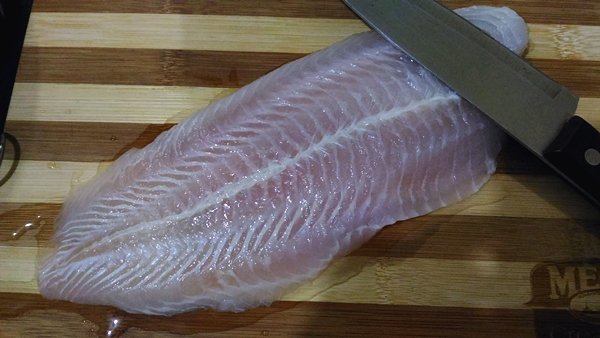
Dory fish, with its delicate flavor and firm, white flesh, is a culinary canvas just waiting for your artistic touch. Forget those vague recipes and timid attempts; mastering the art of Cooking Dory Fish: Recipes & Methods is simpler and more rewarding than you might think. This guide is your backstage pass to transforming this exquisite flatfish into truly memorable meals, packed with flavor and cooked to perfection.
At a Glance: Your Dory Fish Quick-Start Guide
- Mild & Versatile: John Dory offers a delicate, sweet flavor that pairs beautifully with a wide range of ingredients.
- Nutrient-Rich: High in protein, low in fat, and a great source of Omega-3s, B6, and B12.
- Easy to Cook: From quick pan-searing to gentle baking, Dory cooks relatively fast.
- Key to Freshness: Always choose fish with bright eyes, moist skin, and a fresh sea smell.
- Flavor Boosters: Citrus, fresh herbs, and simple sauces are your Dory's best friends.
Discovering John Dory: A Chef's Secret for Flavorful Meals
Often referred to simply as "Dory," John Dory is a true gem from the sea. This unique flatfish, easily recognizable by its golden olive-green skin and distinctive dark spots, hails from the warmer waters of the Atlantic and Indian Oceans, gracing tables from Australia to France. But its appeal goes far beyond its intriguing appearance.
The real star is its meat: firm, brilliantly white, and boasting a mild, subtly sweet taste that makes it incredibly versatile. It's the kind of fish that even those wary of "fishy" flavors often adore. Beyond taste, John Dory is a nutritional powerhouse. It’s an excellent source of lean protein, low in calories and fat, yet rich in heart-healthy Omega-3 fatty acids, and essential vitamins B6 and B12, supporting everything from brain function to cardiovascular wellness. For those seeking to explore more about this incredible fish, you might find our comprehensive guide on All about dory fish incredibly insightful.
The Foundation: Selecting and Preparing Your Dory
The journey to an unforgettable Dory dish begins long before the heat hits the pan. Selecting the freshest fish and preparing it properly are non-negotiable steps that guarantee a superior outcome.
Step 1: Choosing the Best John Dory
Think of your local fishmonger as your guide, but trust your senses above all else. When selecting fresh John Dory fillets or a whole fish, look for these tell-tale signs:
- Eyes: If buying a whole fish, the eyes should be bright, clear, and bulging slightly, not sunken or cloudy. This is a primary indicator of freshness.
- Skin: The skin should be moist, shiny, and vibrant with its natural golden olive-green hue and dark spots. Avoid any fish with dull, dry, or discolored patches.
- Smell: A fresh Dory should smell like the clean ocean, briny and inviting. Steer clear of any fish with a strong, unpleasant, or "fishy" odor; this is a clear sign it's past its prime.
- Flesh: If buying fillets, the flesh should be firm and resilient. Gently press it with your finger; it should spring back immediately.
Step 2: Basic Cleaning for Whole Dory
If you’ve opted for a whole John Dory, a little preparation goes a long way. Don't be intimidated; it's quite straightforward:
- Rinse: Begin by rinsing the fish thoroughly under cold running water. This removes any loose scales or debris.
- Head Removal (Optional): While you can cook Dory with the head on, many prefer to remove it for easier handling and presentation. Using a sharp filleting knife, make a clean cut just behind the gills, severing the head.
- Gutting: Place the fish on its side. Carefully cut along the belly from the anal fin up to the head cavity. Open the cavity and gently scoop out the innards. Ensure you remove the dark bloodline along the spine.
- Final Rinse & Pat Dry: Rinse the cavity thoroughly under cold water to remove any remaining bits. Finally, and this is crucial for crispy skin and even cooking, pat the fish or fillets completely dry with paper towels. Excess moisture leads to steaming, not searing or baking.
Step 3: Filleting John Dory (A Skill Worth Learning)
While many fishmongers will fillet for you, knowing how to do it yourself offers ultimate freshness and control. John Dory's unique flatfish anatomy means a slightly different approach:
- Position: Place the cleaned whole fish, skin-side down, on a sturdy cutting board. The Dory's distinctive "John Dory" spot can guide you.
- Initial Cut: Starting just behind the head (if still attached), make a shallow incision down the length of the back, along the spine.
- Separate Flesh: Now, starting at the tail end, slide your sharp filleting knife between the flesh and the skin. Use a gentle sawing motion while simultaneously pulling the skin taut against the knife. This allows you to separate the delicate meat from the skin with minimal waste.
- Repeat: Turn the fish over and repeat the process on the other side. You'll yield four fillets from a single whole Dory – two from the top and two from the bottom, around the central bone structure.
Masterful Cooking: Core Methods for John Dory
John Dory's mild flavor and firm texture lend themselves beautifully to several core cooking methods. Each brings out a different nuance of the fish, offering versatility for any occasion.
1. Baking John Dory: Effortless Elegance
Baking is perhaps the simplest way to cook Dory, perfect for a hands-off approach that yields tender, moist results. It's especially forgiving for those new to cooking fish.
The Method:
- Preheat & Prep: Preheat your oven to a moderate 375°F (190°C). This temperature ensures even cooking without drying out the delicate fillets. Lightly grease a baking dish or line it with parchment paper for easy cleanup.
- Season & Flavor: Place 2 John Dory fillets in your prepared baking dish. Drizzle generously with about 2 tablespoons of good quality olive oil. This not only adds flavor but also helps keep the fish moist. Season both sides with a pinch of salt and a grind of fresh black pepper.
- Aromatic Toppings: Elevate the flavor profile by topping each fillet with thin slices of fresh lemon and a scattering of fresh herbs. Parsley and dill are classic choices that complement Dory's mildness, but tarragon or chives also work beautifully. The lemon infuses a bright acidity, cutting through richness and enhancing the fish's natural taste.
- Cover & Bake: Cover the baking dish tightly with aluminum foil. The foil traps steam, ensuring the fish cooks gently and remains incredibly tender.
- Cook to Perfection: Bake for approximately 20 minutes. The exact time may vary slightly depending on the thickness of your fillets. The ultimate test for doneness is when the fish flakes easily with a fork. It should still be opaque throughout but not dry.
Expert Tip for Baking: For a slightly crispier top, remove the foil for the last 5 minutes of baking. You can also add a few pats of butter over the fillets before baking for an extra layer of richness.
2. Pan-Seared John Dory: Golden Crust, Tender Interior
Pan-searing is a fantastic method for John Dory, creating a beautiful golden-brown crust while keeping the interior moist and flaky. It’s quick, impressive, and brings out a wonderful depth of flavor.
The Method:
- Heat the Skillet: Choose a heavy-bottomed skillet, such as cast iron or stainless steel, which retains heat well. Heat 1 tablespoon of olive oil and 2 tablespoons of butter over medium-high heat. The combination of oil and butter is key: the oil has a higher smoke point, preventing the butter from burning too quickly, while the butter adds unparalleled flavor and helps achieve that perfect golden color.
- Season the Fillets: Pat 2 John Dory fillets thoroughly dry with paper towels. This step is critical for a good sear! Season generously with salt and pepper on both sides.
- Sear to Gold: Once the butter is melted and the oil is shimmering (just before it starts to smoke), carefully add the fillets to the hot skillet. Don't overcrowd the pan; cook in batches if necessary. Cook for 3-4 minutes per side. Resist the urge to move the fish too soon; let it develop a beautiful golden-brown crust before flipping.
- Aromatic Finish: In the last minute of cooking, sprinkle 1 teaspoon of minced garlic into the skillet, allowing it to gently toast and infuse the butter. Be careful not to burn the garlic.
- Lemon Zest & Serve: Immediately after removing the fish from the pan, squeeze the fresh juice of 1 lemon directly over the hot fillets. The acidity brightens the flavors and helps deglaze any delicious bits from the pan. Serve immediately.
Expert Tip for Pan-Searing: To ensure a truly crispy skin (if cooking with skin on), make sure the skin side is down first and press gently with a spatula for the first 30 seconds to ensure full contact with the pan.
3. Grilling John Dory: Smoky Flavors of Summer
Grilling imparts a wonderful smoky flavor and attractive char marks, making John Dory perfect for outdoor cooking or a healthy weeknight meal. It's a method that works particularly well with the fish's firm texture.
The Method:
- Preheat the Grill: Preheat your grill (gas or charcoal) to medium-high heat. Ensure the grates are clean to prevent sticking.
- Prep the Fish: Brush both sides of 2 John Dory fillets generously with olive oil. The oil prevents sticking and helps the seasonings adhere. Season with salt and pepper. You can also add a sprinkle of paprika or dried herbs at this stage for extra flavor.
- Grill with Care: Place the seasoned fillets directly on the hot grill grates. If you're concerned about sticking or breakage, consider using a fish basket or placing the fillets on a piece of aluminum foil poked with holes.
- Cook to Doneness: Cook for approximately 5-6 minutes per side. The cooking time will depend on the thickness of the fillets and the intensity of your grill. Look for opaque flesh and clear grill marks. Again, the fish should flake easily when tested with a fork.
- Garnish & Enjoy: Remove from the grill and serve immediately with fresh lemon wedges for garnish. The bright citrus is the perfect counterpoint to the smoky grilled flavor.
Expert Tip for Grilling: For delicate fish like Dory, brushing the grill grates with oil just before placing the fish on them can significantly reduce sticking. Never try to flip the fish until it naturally releases from the grates.
Elevating Your Dish: Flavor Pairings and Serving Suggestions
John Dory's mild disposition makes it a dream for pairing with a diverse array of flavors. It absorbs and complements, rather than competes, allowing you to get creative in the kitchen.
The Power of Citrus
Citrus is perhaps Dory's most quintessential partner. Lemon, lime, and even orange aren't just garnishes; their bright acidity cuts through the richness of the fish and oils, enhancing its natural sweetness.
- Lemon: The classic choice, perfect squeezed over pan-seared or baked Dory. Consider a lemon-butter sauce for extra richness.
- Lime: Offers a slightly sharper, more exotic tang, wonderful with a hint of chili or cilantro.
- Orange: A subtle sweetness that works well in lighter, fruit-based salsas or glazes.
Aromatic Herbs and Spices
Fresh herbs and a thoughtful selection of spices can transform your Dory from simple to sensational.
- Parsley: Fresh, clean, and universally loved. A generous sprinkle adds vibrancy.
- Dill: Offers a delicate, slightly anisy note that is particularly good with fish and creamy sauces.
- Tarragon: Its distinct licorice-like flavor is sophisticated and pairs beautifully with butter-based sauces.
- Paprika: Adds a warm, earthy hue and mild spice without overpowering the fish. Smoked paprika can add depth.
- Coriander: Both fresh cilantro leaves and ground coriander seeds offer a zesty, aromatic lift, especially in more global-inspired dishes.
The Magic of Sauces
A well-chosen sauce can take your Dory dish to new heights, adding moisture, flavor, and elegance.
- Lemon Butter Sauce: The ultimate classic. Simply melt butter, add lemon juice, a pinch of salt, pepper, and fresh parsley or dill. Drizzle generously.
- Mango Salsa: For a vibrant, fresh, and slightly sweet-and-spicy option, dice ripe mango, red onion, bell pepper, cilantro, and jalapeño. Dress with lime juice.
- Simple Garlic Sauce: Sauté minced garlic in olive oil, add a splash of white wine or chicken broth, and finish with a knob of butter and fresh herbs.
Perfect Plate Companions
The right accompaniments complete the meal, offering balance in texture, flavor, and nutrition.
- Steamed Vegetables: Asparagus, green beans, or broccoli offer a crisp, healthy counterpoint.
- Garlic Mashed Potatoes: Creamy, comforting, and a delicious sponge for any pan sauces.
- Quinoa or Couscous: Light, fluffy, and excellent for absorbing delicate fish flavors.
- Roasted Root Vegetables: For a heartier, more rustic meal, consider roasted carrots, parsnips, or potatoes.
Presentation Matters
Even the simplest Dory dish can look gourmet with a thoughtful touch.
- Fresh Herbs: A sprig of dill or parsley, or a scattering of finely chopped chives, adds color and freshness.
- Lemon Wedges: Always a welcome addition, both for flavor and visual appeal.
- Microgreens: For a touch of professional elegance, a small cluster of microgreens adds color and a delicate crunch.
Creative Dory Fish Recipes to Inspire Your Kitchen
While the core methods provide a solid foundation, John Dory's versatility truly shines in a variety of creative preparations. Here are some expanded ideas to spark your culinary imagination, building on the fundamental techniques.
1. Crispy Pan-Fried Dory with Vegetable Fries and Soft Egg Toast
This dish is all about texture contrast and comforting flavors.
- The Dory: Use the pan-searing method described above, perhaps with a light dusting of flour or cornstarch before searing for an extra crispy exterior. Season well with a blend of paprika, garlic powder, salt, and pepper.
- Vegetable Fries: Think outside the potato. Slice zucchini, carrots, or sweet potatoes into thin batons. Toss with olive oil, salt, pepper, and a pinch of your favorite herbs (rosemary for sweet potato, thyme for zucchini). Bake or air-fry until tender-crisp.
- Soft Egg Toast: Whisk eggs with a splash of milk or cream, salt, and pepper. Dip slices of brioche or challah bread, then pan-fry in butter until golden and fluffy. The rich, soft toast provides a perfect counterpoint to the crispy fish and veggies.
2. Steamed Cream Dory with Ginger and Soy Sauce
A light, healthy, and incredibly flavorful Asian-inspired preparation that highlights Dory's delicate nature.
- The Dory: Gently steam Dory fillets until just cooked through (about 8-10 minutes, depending on thickness). You can use a bamboo steamer over a wok or a steamer basket in a pot.
- Aromatic Infusion: While the fish steams, prepare your sauce. Heat a tablespoon of oil (like peanut or neutral vegetable oil) until shimmering. Pour it over thinly sliced fresh ginger and scallions arranged on top of the steamed Dory. The hot oil "blooms" the aromatics.
- Savory Drizzle: Finish with a light drizzle of good quality soy sauce (or tamari for gluten-free) and a tiny splash of sesame oil. Serve immediately with steamed jasmine rice and blanched bok choy.
3. Crispy Dory Fillets with Sambal Matah
Bringing a taste of Bali to your table, this recipe offers a vibrant, fresh, and spicy kick.
- The Dory: Pan-fry Dory fillets until golden and crispy. You can dredge them lightly in seasoned flour before frying for extra crispness.
- Sambal Matah: This raw Balinese shallot and lemongrass relish is bright and pungent. Finely slice shallots, lemongrass (white part only), red chilies, and kaffir lime leaves. Mix with a squeeze of lime juice, a pinch of salt, and a generous drizzle of hot coconut oil or a neutral oil.
- Assembly: Spoon the fresh sambal matah generously over the hot, crispy Dory fillets. Serve with steamed rice and a simple green salad to balance the heat.
4. Oriental Stir-fry Dory with Vegetables and Savory Sauces
A quick and versatile option for a flavorful weeknight dinner.
- The Dory: Cut Dory fillets into bite-sized pieces. You can lightly dredge them in cornstarch before a quick pan-fry or stir-fry to create a tender, slightly crisp exterior.
- The Stir-fry: In a hot wok or large skillet, quickly stir-fry an array of colorful vegetables like bell peppers, snow peas, carrots, broccoli florets, and snap peas.
- The Sauce: Whisk together soy sauce, oyster sauce (optional), a touch of sesame oil, rice vinegar, a pinch of sugar, and a cornstarch slurry. Add the Dory pieces and sauce to the vegetables, tossing until the sauce thickens and coats everything evenly. Serve with noodles or rice.
5. Creamy Dory with Butter and Lemon Sauce, Boiled Potatoes, and Asparagus
A comforting and elegant dish that highlights Dory's delicate texture with a rich, yet bright, sauce.
- The Dory: Gently pan-fry the Dory fillets, or even bake them, ensuring they remain moist.
- The Sauce: This is where the "creamy" aspect comes in. After cooking the Dory, use the same pan to quickly melt butter. Add a splash of white wine or vegetable broth, the juice of half a lemon, and a touch of heavy cream or crème fraîche. Whisk until slightly thickened, then stir in fresh chives or parsley.
- Sides: Serve alongside perfectly boiled new potatoes, perhaps tossed with a little butter and dill, and steamed or blanched asparagus spears for a classic, sophisticated meal.
6. Sweet and Sour Crisp Dory Fillets
A popular takeout classic, made fresh and delicious at home.
- The Dory: Cut Dory fillets into chunks, coat them in a light batter (flour, cornstarch, egg, water/soda water), and deep-fry until golden and crispy. Alternatively, you can pan-fry well-seasoned, cornstarch-dusted pieces for a lighter version.
- Sweet and Sour Sauce: Combine pineapple juice, rice vinegar, ketchup, soy sauce, brown sugar, and a cornstarch slurry. Cook until thickened. Sauté some bell peppers, onions, and pineapple chunks until tender-crisp.
- Combine: Toss the crispy Dory with the cooked vegetables and sweet and sour sauce. Serve immediately with fluffy white rice.
These ideas demonstrate how John Dory can adapt to a wide range of culinary traditions and flavor profiles. Its mildness is its strength, allowing it to truly absorb and shine in whatever sauce or spice blend you choose.
Smart Storage for Dory: Freshness and Safety
Whether you're prepping ahead or dealing with delicious leftovers, knowing how to properly store John Dory is essential for both flavor and food safety.
Cooked John Dory: Refrigeration
- Airtight is Key: Once your Dory dish has cooled to room temperature (within two hours of cooking), transfer any leftovers to a clean, airtight container.
- Quick Consumption: Refrigerate immediately and plan to consume the cooked John Dory within 2 days. While it might still be safe beyond this, the quality and flavor will diminish rapidly.
- Reheating: Reheat gently to avoid drying out the fish. A quick pan-sear with a splash of liquid or a low-temperature oven bake is best.
Uncooked John Dory: Freezing for Later
Freezing is an excellent option for extending the life of fresh Dory fillets, allowing you to stock up when you find a good deal.
- Proper Wrapping: For uncooked fillets, the enemy is air, which can cause freezer burn. Wrap each fillet tightly and individually in plastic wrap, pressing out as much air as possible.
- Freezer-Safe Bag: Place the plastic-wrapped fillets into a heavy-duty freezer-safe bag or vacuum-seal bag. Again, remove any excess air before sealing.
- Label and Date: Always label your package with the contents and the date it was frozen.
- Shelf Life: Uncooked John Dory fillets stored this way are best used within 3 months for optimal quality. While still safe longer, texture and flavor can degrade.
- Thawing: Thaw frozen Dory in the refrigerator overnight. Avoid thawing at room temperature, as this can encourage bacterial growth. For quicker thawing, you can place the vacuum-sealed bag under cold running water.
Your Go-To Guide for Perfect Dory
By now, you're equipped with the knowledge and confidence to approach Cooking Dory Fish: Recipes & Methods like a seasoned chef. From selecting the freshest fish to mastering various cooking techniques and understanding the art of flavor pairing, you have everything you need to create delectable John Dory dishes that will impress and delight.
Remember, the key is to respect the fish's delicate nature, avoid overcooking, and embrace the vibrant flavors that complement its mild, sweet flesh. So go ahead, experiment with those fresh herbs, whip up a zesty lemon-butter sauce, or try a daring new salsa. Your culinary adventure with John Dory is just beginning, promising flavorful, healthy, and satisfying meals every time you step into the kitchen.