Mention "Dory fish" and two very different images might swim into your mind: a gourmet delicacy gracing a fine dining plate, or a forgetful, vibrant blue tang charming audiences in an animated film. This fascinating duality perfectly encapsulates the wide array of Dory fish species and characteristics that exist across the globe, inhabiting everything from sun-drenched coral reefs to the mysterious ocean floor. Far from being a single, uniform creature, the "Dory" name encompasses a diverse lineage, each with unique adaptations that define its role in its respective ecosystem.
At a Glance: Diving into the World of Dory Fish
- "Dory Fish" has two primary meanings: The deep-sea Zeidae family (true dories, like John Dory) and the tropical reef Acanthuridae family (surgeonfish and tangs, like the Blue Tang from "Finding Nemo").
- True Dories (Zeidae): Known for their flat, oval bodies, large eyes, protrusible mouths, and often a distinctive "eyespot." They are solitary ambush predators in deep waters.
- Reef Dories (Acanthuridae): Characterized by vibrant colors, compressed bodies, and a sharp caudal spine ("scalpel") on their tails. They are primarily herbivorous, found in tropical coral reefs.
- Culinary Star: John Dory (Zeus faber) is highly prized for its delicate, white, flaky flesh and mild, sweet flavor.
- Ecosystem Engineers: Reef Dories play a crucial role in maintaining coral reef health by grazing on algae.
- Conservation Matters: Both groups face threats, from bycatch in fisheries to habitat destruction, emphasizing the need for sustainable practices.
The Tale of Two Dories: Unpacking Species & Characteristics
To truly appreciate the Dory fish, we must first disentangle its identity. While a chef might extol the virtues of a succulent John Dory fillet, an aquarium enthusiast is likely picturing a shimmering blue tang darting through coral. Both are "Dory," yet they couldn't be more different. This guide will explore the fascinating world of these two distinct groups, highlighting their unique species and the characteristics that allow them to thrive in vastly different marine environments.
The Deep-Sea Enigma: Meet the True Dory Fish (Zeidae Family)
When culinary experts or seasoned anglers speak of "Dory fish," they are almost exclusively referring to species within the Zeidae family. These are the true dories, a group of marine species recognized for their distinctive appearance and their preference for the deep, often dark, reaches of the ocean. Prized for their delicate flavor, these fish are a testament to adaptation in challenging environments.
More Than Just a Pretty Face: What Defines a Zeidae Dory
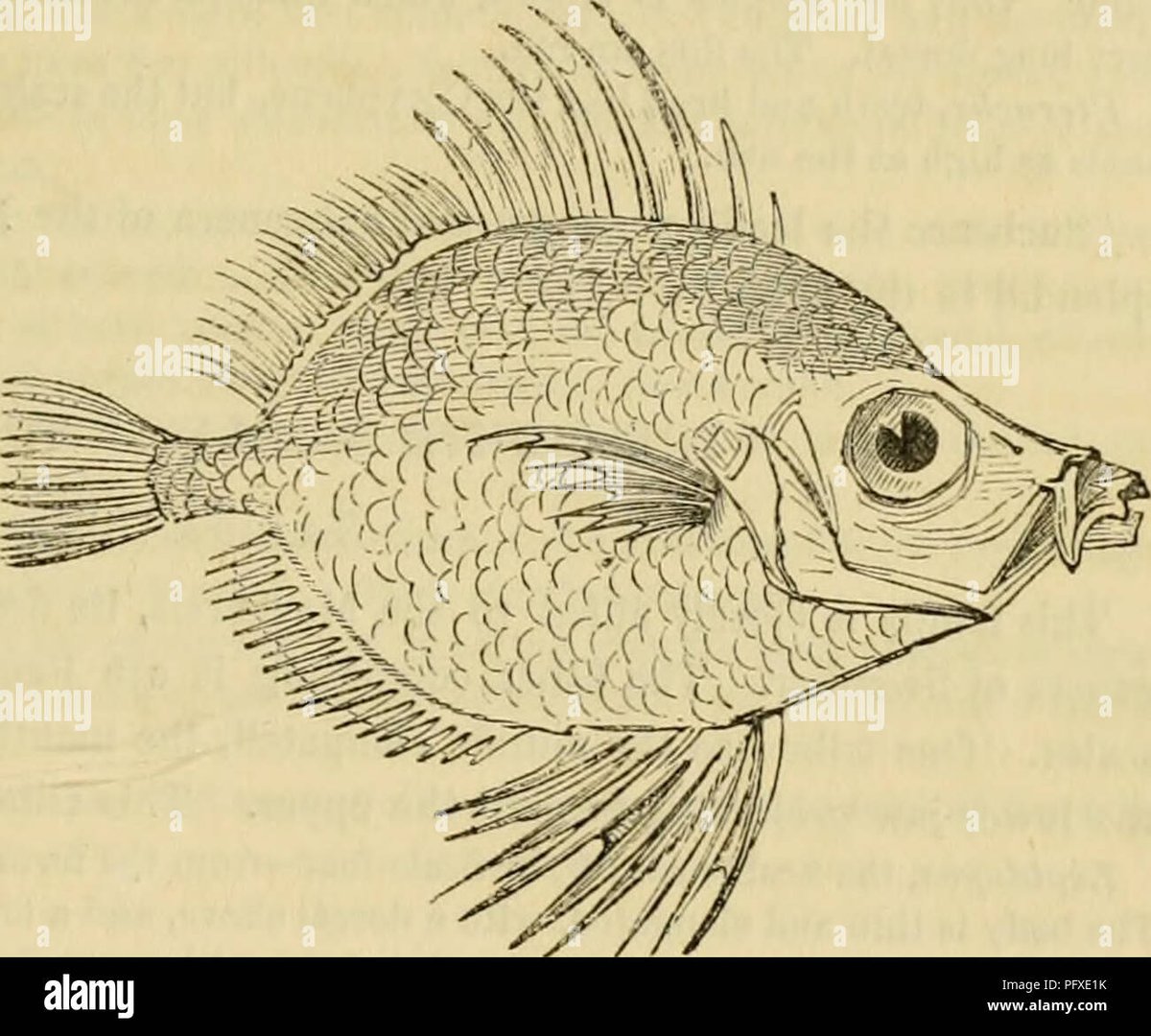
True dories possess a suite of physical traits optimized for life on or near the seabed. Their most striking features include a body that is surprisingly flattened and oval-shaped when viewed from the side, yet appears remarkably thin and compressed when seen from the front. This unique morphology allows them to blend seamlessly with the ocean floor or slip through the water with minimal resistance.
Physical Blueprint: A Hunter's Design
Their large head houses a wide, protrusible mouth – a critical tool for their predatory lifestyle. This mouth can rapidly extend outwards, creating a powerful suction that snatches unsuspecting prey. Perched near the top of their head are large eyes, offering excellent binocular vision and depth perception, essential for locating prey in dimly lit depths.
The skin of many Zeidae species is covered with microscopic scales, often appearing smooth, with a silvery-yellow or olive hue that further enhances their camouflage. A truly iconic feature, particularly on the widely recognized John Dory, is the distinctive dark "eyespot" on each side of its body. This spot is more than just ornamentation; it's believed to be a clever evolutionary trick, confusing both prey and predators by mimicking a larger eye or even serving as a false target to deflect attacks from vital organs.
Where They Roam: Deep-Sea Habitats
These demersal fish are primarily found inhabiting the seabed, thriving at depths ranging from a relatively shallow 5 meters to a profound 360 meters. Their distribution is remarkably widespread, encompassing the coastal waters of Africa, Southeast Asia, New Zealand, Australia, Japan, and Europe, including the Mediterranean Sea. They are not simply adrift in the open ocean; instead, they often reside near structures that offer shelter and ambush opportunities. Think of reefs, weed edges, rocky shorelines, or even man-made constructions like shipwrecks, all providing ideal hunting grounds.
Life as a Lonesome Hunter: Behavior and Diet
True dories are quintessential solitary, carnivorous ambush predators. They are masters of stealth and camouflage, relying on their unique body shape and coloring to blend into their surroundings. They stalk their prey with slow, deliberate movements, sometimes even standing vertically in the water column to appear as part of the substrate. Once an opportune moment arises, they rapidly extend their jaw, creating a sudden vacuum that sucks in their unsuspecting meal. Their diet consists mainly of smaller fish like sardines and herring, various cephalopods such as squid and cuttlefish, and an assortment of crustaceans.
Stars of the Deep: Key Dory Varieties
While many species fall under the Zeidae umbrella, a few stand out, either for their culinary significance or their unique characteristics.
John Dory (Zeus faber): The Culinary King
This is arguably the most widely recognized and commercially significant species within the true dory family. The John Dory is a striking fish, growing up to 65 cm (about 25 inches) in length and weighing around 5 kg (11 pounds). Its olive-yellow body with subtle striping and that signature dark eyespot make it easily identifiable. A John Dory's lifespan can extend up to approximately 12 years, allowing it to grow to an impressive size. It's the benchmark for deliciousness among true dories.
Smooth Dory (Pseudocyttus maculatus): The Deep-Dweller
Also known as the smooth oreo, this dory species inhabits even deeper waters. You'll find it in Southern Hemisphere oceans at depths between 400 and 1,500 meters (1,300 to 4,900 feet). Growing up to 60 cm, the smooth dory is characterized by its dark grey body, which is generally less angular than other oreodories, and features smaller fin spikes. Its name reflects its relatively smooth skin compared to some of its rougher-scaled relatives.
Silver Dory (Cyttus australis): Australia's Shimmering Catch
Endemic to Australian waters, the Silver Dory is often found at depths between 20 and 350 meters. It's easily identifiable by its silvery-pink skin and a more elongated body profile compared to the John Dory. Interestingly, unlike the smooth dory, its scales are notably rough to the touch, providing another distinguishing characteristic among these deep-sea relatives.
Beyond the Depths: Dory Fish in the Kitchen
The true dory, particularly the John Dory, holds a coveted spot in the culinary world. Its reputation stems from its exceptional flesh, which is delicate, brilliantly white, and exquisitely flaky. The flavor is mild, with a subtle sweetness that makes it incredibly versatile for chefs.
Why Chefs Covet John Dory
Whether grilled, roasted, poached, pan-fried, or steamed, John Dory adapts beautifully to various cooking methods, allowing its natural flavor to shine. It's primarily harvested as bycatch in trawl and Danish seine fisheries, typically from depths of 50 to 200 meters. Despite a lower fillet yield—around 35% of its total body weight due to its large head and gut cavity—the sheer quality of its flesh ensures its high demand and makes it a sought-after ingredient in high-end restaurants. The effort to bring this deep-sea gem to the table is well rewarded by its exquisite taste and texture. If you're looking to understand All about the dory fish, you'll find its culinary significance is a major part of its story.
The Reef's Vibrant Star: The "Finding Nemo" Dory (Acanthuridae Family)
Now, let's pivot to a completely different Dory. For many, the name "Dory" immediately conjures images of the beloved, if forgetful, blue fish from Disney-Pixar's "Finding Nemo" and "Finding Dory." This iconic character is based on the Regal Blue Tang, a member of the Acanthuridae family, which encompasses surgeonfish and tangs. This group, with around 75 recognized species, thrives in warm, shallow, tropical waters and plays a vastly different role in its ecosystem compared to its deep-sea namesake.
From Screen to Seascape: Defining Surgeonfish & Tangs
These "Dories" are quintessential tropical reef fish. Unlike the solitary deep-sea dories, surgeonfish and tangs are often found in bustling coral reef communities. They are defined by their vibrant appearance and a few unique anatomical features that give them their "surgeon" moniker.
A Kaleidoscope of Traits: Physical Characteristics
Surgeonfish and tangs typically exhibit a laterally compressed body shape, meaning they are thin from side to side. This sleek design allows for incredible agility and easy maneuverability through the intricate structures of coral reefs. Their most distinguishing feature, and the one that gives them their intimidating name, is the presence of a sharp caudal spine (or "scalpel") on either side of their tails. These spines are razor-sharp and can be extended to defend against predators or territorial rivals.
Their vibrant coloration is another hallmark, playing crucial roles in social interactions, species recognition, and mating displays. From electric blues and sunny yellows to subtle browns and greens, their hues are as diverse as the reefs they inhabit. Furthermore, they possess a unique set of dental structures: rows of small, comb-like teeth that are perfectly adapted for scraping algae from rocks and coral.
Their Coral Kingdom: Tropical Reef Habitats
These vivid fish are primarily found in warm, tropical waters around the globe, with a strong affinity for coral reefs. These complex underwater cities provide everything they need: abundant food sources, shelter from predators, and numerous nooks and crannies for resting and spawning. Their presence is a vibrant indicator of a healthy reef ecosystem.
Guardians of the Reef: Behavior and Diet
Surgeonfish and tangs are predominantly herbivorous, feeding on benthic algae, phytoplankton, and detritus. Their grazing habits are not just about survival for the fish; they are critical for maintaining coral reef health. By controlling algal growth, these fish prevent algae from overgrowing and smothering corals, effectively acting as the "gardeners" of the reef.
Many species exhibit schooling behavior, forming large groups for protection against predators and to enhance foraging efficiency. While often social, they are also known for territorial behaviors, especially during breeding seasons. Males, in particular, may display aggressive posturing to defend their chosen mates or nesting sites.
Life's Cycle in the Current: Reproduction
Reproduction in surgeonfish and tangs involves fascinating spawning events that often coincide with specific environmental conditions, such as lunar cycles and changes in water temperature. Fertilization typically occurs in open water, where eggs are released and drift in the currents until they hatch. The early life stages are highly vulnerable, with larvae spending time in the plankton before settling into their reef habitats as juveniles. This pelagic phase allows for wide dispersal, connecting different reef systems.
Reef Royalty: Iconic Tang & Surgeonfish Varieties
The Acanthuridae family boasts a stunning array of species, each with its own charm.
Regal Blue Tang (Paracanthurus hepatus): The Celebrity Fish
This is the famous "Dory" from the movies. The Regal Blue Tang, also known as the Palette Surgeonfish, is instantly recognizable for its striking blue body, vibrant yellow tail, and distinct black markings that resemble an artist's palette. Growing up to 12 inches (30 cm), it's found in coral reefs throughout the Indo-Pacific region. These fish are active, social, and can exhibit territorial behaviors, even changing their coloration based on their mood or level of stress.
Other Notable Reef Dories
- Yellow Tang (Zebrasoma flavescens): Characterized by its bright, uniform yellow coloration and distinctive oval shape. It reaches a maximum length of about 8 inches and is native to the Hawaiian Islands and other Pacific reefs. Its sunny disposition makes it a popular aquarium fish.
- Scopas Tang (Zebrasoma scopas): A more subtly colored species, featuring a dark brown body with subtle yellow highlights. It grows up to 8 inches and is widely distributed across the Indo-Pacific.
- Tomini Tang (Ctenochaetus tominiensis): This species sports a grayish body with striking yellow-orange accents, particularly on its fins. Reaching around 7 inches, it's a smaller tang found in the Indo-Pacific.
- Kole Tang (Ctenochaetus strigosus): Also known as the Yellow-Eye Kole Tang, it displays a yellow-brown coloration with fine horizontal stripes and a prominent yellow ring around its eye. Growing up to 8 inches, it's native to the Hawaiian Islands and other Pacific regions.
Protecting the Jewels: Conservation Efforts
The surgeonfish and tangs of the Acanthuridae family are essential for maintaining healthy coral reef ecosystems. Their role as herbivores, diligently controlling algal growth, is indispensable for the survival of coral, which forms the very foundation of these biodiverse habitats. Without them, reefs can become overgrown with algae, leading to coral stress and eventual decline.
Coral Reef Health Champions
However, these vital species face significant threats, including overfishing (both for food and the aquarium trade) and habitat destruction due to pollution, climate change, and unsustainable coastal development.
What You Can Do: Actionable Insights
Conservation efforts are crucial. Promoting sustainable fishing practices and habitat protection is paramount. Regulations, such as those in Hawaii limiting the capture of certain tang species for the aquarium trade, are vital steps. Education and awareness campaigns are also critical to inform consumers about responsible choices in seafood consumption and the sustainable sourcing of fish for home aquariums. Protecting these vibrant "Dories" is not just about preserving individual species; it's about safeguarding the resilience and biodiversity of the world's coral reefs, which are among the most valuable and vulnerable ecosystems on Earth.
Frequently Asked Questions About Dory Fish
You might have a few lingering questions about these dual Dory identities. Here are some common clarifications:
Is the Dory from "Finding Nemo" edible?
Technically, yes, the Regal Blue Tang (the species Dory is based on) is edible, but it's generally not fished for consumption due to its smaller size, bony nature, and the risk of ciguatera poisoning (a type of food poisoning from eating fish that have consumed certain toxic algae). Its primary value is ecological as a reef grazer and aesthetic for aquariums.
Why is John Dory so expensive?
John Dory's high price is due to several factors: its exquisite taste and texture, making it a culinary delicacy; its lower fillet yield compared to other fish (meaning more fish is needed for the same amount of edible flesh); and the fact that it's often caught as bycatch, rather than targeted, making its supply less predictable.
Do John Dory fish have any unique hunting strategies?
Yes, their most distinctive hunting strategy is their ability to rapidly extend their incredibly protrusible mouth to create a vacuum effect, sucking in prey with surprising speed and efficiency. They also employ stealth and camouflage, often hovering motionless or even vertically to blend into their surroundings before striking.
Are there any conservation concerns for John Dory?
While not currently listed as endangered, John Dory populations can be affected by fishing pressure, especially as bycatch. Sustainable fishing practices and monitoring of stock levels are important to ensure their long-term viability.
How do "true" Dories and "Nemo" Dories adapt to their different habitats?
True Dories (Zeidae) have flattened bodies, large eyes, and protrusible mouths for ambushing prey in deep, often dim, environments. "Nemo" Dories (Acanthuridae) have laterally compressed bodies, vibrant colors, and caudal spines for navigating and defending themselves in complex, brightly lit coral reefs, along with specialized teeth for grazing algae. These adaptations illustrate the powerful forces of natural selection shaping life in diverse marine settings.
Bringing It All Together: Appreciating Dory Fish in All Their Forms
From the deep-sea depths to the vibrant shallows of tropical reefs, the diverse species identified as "Dory fish" offer a compelling lesson in marine adaptation and ecological roles. We've explored the enigmatic true dories of the Zeidae family – solitary ambush predators like the John Dory, revered in kitchens for its delicate flesh. And we've journeyed to the colorful world of the surgeonfish and tangs from the Acanthuridae family – the herbivorous, reef-dwelling stars, including the famous Regal Blue Tang, vital for coral reef health.
Understanding these distinct groups helps us move beyond a single, simplified image of "Dory." Instead, it allows us to appreciate the incredible spectrum of life under the waves, each species a masterpiece of evolution designed to thrive in its specific niche. Whether you're considering the sustainable sourcing of a gourmet meal or advocating for the protection of precious coral ecosystems, recognizing the unique species and characteristics of these Dory fish is the first step toward informed choices and a deeper appreciation for our planet's marine biodiversity.