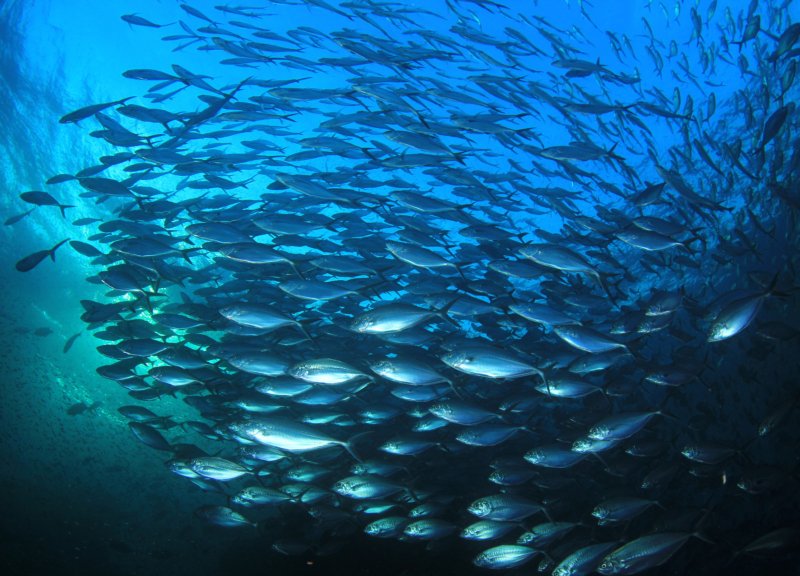
In the shimmering mosaic of the ocean, few culinary treasures inspire as much delight as the Dory fish. With its distinctive spot and delicate, flaky flesh, it’s a favorite on menus worldwide. But as our appetite for seafood grows, a critical question emerges: how exactly does Dory Fish Sustainability & Sourcing shape not just our dinner plates, but the very health and future of our marine ecosystems? The answer, like the ocean itself, is multifaceted, dynamic, and profoundly important.
Understanding the journey of your Dory from sea to table is no longer a niche concern; it's a fundamental aspect of conscious consumption. We're moving beyond simple preferences to embrace a deeper responsibility for what we eat and how it impacts the planet. This guide dives into the nuances of Dory sustainability, equipping you with the knowledge to make choices that support both your palate and the planet.
At a Glance: Navigating Dory Fish Sustainability
- Not All Dory Is Equal: The sustainability of Dory fish (often John Dory) varies greatly based on where and how it's caught.
- Fishing Methods Matter Most: Techniques like trawling have high environmental impacts, while handlining is far more selective and eco-friendly. Longlining falls in between, with careful management being key.
- Population Status is Key: While John Dory isn't globally endangered, local populations can be vulnerable to overfishing, demanding close monitoring.
- Look for Labels: Certifications like the Marine Stewardship Council (MSC) are your best friends for identifying sustainably caught Dory.
- Your Choice Has Power: Opting for sustainable Dory directly supports healthier oceans, robust fish stocks, and the livelihoods of responsible fishing communities.
Why "Sustainable" Seafood is More Than a Buzzword
Before we dive into the specifics of Dory, let's establish a common understanding. "Sustainability" in the context of seafood isn't just about buzzwords; it's about a foundational promise. It's the commitment to meeting our present needs—like enjoying a delicious Dory fillet—without compromising the ability of future generations to meet their own. Imagine a bank account of natural resources: sustainability means making withdrawals that are always balanced by deposits, ensuring the account never runs dry.
For wild-caught fisheries, this means rigorous scientific assessments. Experts analyze fish populations, breeding cycles, and the broader ecosystem to set quotas and develop fishing practices that allow stocks to thrive. In the world of aquaculture (fish farming), sustainability involves global and national initiatives focused on minimizing environmental footprints, preventing disease outbreaks, and ensuring responsible feed sourcing.
Beyond environmental considerations, there's a vital human element: responsibility. Seafood that is responsibly sourced means it's caught or farmed in ways that minimize harm to fish stocks and the wider marine environment. This extends to social responsibility, a crucial component encompassing food security, ethical treatment of workers, fair wages, and respecting human rights. It’s about ensuring that the pursuit of seafood doesn't come at the cost of the communities that depend on it. This holistic approach ensures fishing communities' livelihoods are supported and basic human rights are upheld. Countries like the UK, for example, are recognized world leaders in this space, championing best practices in partnership with government, scientists, and industry stakeholders.
Dory in the Spotlight: Unpacking Its Sustainability Profile
So, what exactly is Dory fish? While "Dory" is a common market name, it typically refers to several species, with John Dory (scientific name: Zeus faber) being the most frequently encountered in seafood markets. This fascinating fish boasts a flat, oval body, distinctive large eyes, and an unmistakable black spot on its side – rumored to be St. Peter's thumbprint, hence its alternate name "St. Peter's fish." Its meat is prized for being white, flaky, mild, and subtly sweet, making it a chef's favorite.
The critical question, then, is its sustainability. Is Dory a good choice? The honest answer is: it depends. There isn't a single, straightforward "yes" or "no" for all Dory fish across the globe. Its sustainability hinges on a combination of factors, primarily the fishing methods used and the status of local fish populations. This is where your investigative skills come into play.
To truly understand the journey of this enigmatic fish, we must explore the methods used to bring it to your plate.
Fishing Methods: The Tools That Shape Ocean Health
The way Dory fish are caught has a profound impact on marine ecosystems. Understanding these methods is perhaps the most crucial step in making sustainable choices. Think of it as knowing the difference between a surgical tool and a blunt instrument; both achieve a goal, but with vastly different collateral damage.
The Triple Threat: Trawling
Among fishing methods, trawling stands out for its high efficiency and, unfortunately, its equally high environmental impact. This technique involves dragging large, funnel-shaped nets along the ocean floor or through the water column. While effective for catching large quantities of fish, its destructive potential is significant:
- Seabed Damage: Bottom trawling, in particular, acts like a bulldozer on the ocean floor, destroying delicate habitats such as coral reefs, sponge gardens, and vital nurseries for young fish. This damage can take decades, even centuries, to recover, fundamentally altering the marine landscape.
- Significant Bycatch: Trawls are notoriously unselective. They scoop up everything in their path – not just Dory, but also unwanted fish species, juvenile fish, sharks, rays, turtles, and even marine mammals. This "bycatch" is often discarded, dead or dying, a tragic waste of marine life.
- Overfishing Risk: The sheer efficiency of trawling makes it a prime culprit in localized overfishing, depleting fish stocks faster than they can reproduce.
While trawling is widely used, its contribution to unsustainable fishing practices means you should approach Dory caught this way with extreme caution. For a deeper dive into the deep impact of bottom trawling on marine ecosystems, it's worth understanding the full scope of its effects.
The Balanced Approach: Longlining
Longlining offers a more targeted approach, but it’s not without its own set of challenges. This method involves deploying a single, long mainline that can extend for miles, studded with thousands of baited hooks. When managed correctly, it can be relatively sustainable:
- Targeted Catches: Compared to trawling, longlining can be more selective, designed to catch specific species.
- Bycatch Concerns: However, it still carries a significant risk of bycatch, especially for non-target species like sharks, seabirds (which can get hooked as they dive for bait), and sea turtles.
- Mitigation Measures: The sustainability of longlining largely depends on the implementation of proper bycatch reduction measures. These can include using bird-scaring lines, weighted lines that sink quickly out of reach of seabirds, circle hooks that are less likely to injure turtles, and avoiding setting lines in areas known to have high concentrations of vulnerable species.
When Dory is caught via longlining, it’s crucial to ascertain that the fishery employs rigorous bycatch reduction techniques.
The Gold Standard: Handlining
For minimal environmental impact, handlining is often considered the most sustainable method. This technique involves a single line, held by a fisherman, with one or more baited hooks.
- Low Environmental Impact: Handlining causes virtually no damage to the seabed or surrounding habitats.
- Minimal Bycatch: Fishermen can feel what's on the line, allowing them to release non-target species immediately, often unharmed. This selectivity drastically reduces bycatch.
- Quality Catch: Fish caught by handline are typically brought aboard individually, handled with care, and often processed quickly, resulting in a higher quality product.
- Efficiency Trade-off: The main drawback is that handlining is slower and more labor-intensive, making it less efficient for large-scale commercial operations. This often translates to a higher price point for the consumer, but it’s a direct reflection of the care taken.
If you find Dory caught by handline, you can be reasonably confident in its responsible sourcing.
Beyond the Hook: The Critical Role of Population Status
Even with the most sustainable fishing method, if a fish population is in decline, it’s not truly sustainable. The second key factor in Dory fish sustainability is the population status of the specific species you're considering.
The good news is that John Dory is not currently considered a globally threatened species by organizations like the IUCN (International Union for Conservation of Nature). Its wide distribution across the Atlantic, Mediterranean, and Indo-Pacific helps to prevent a single region's issues from threatening the entire species.
However, "not globally threatened" doesn't mean "bulletproof." Local populations in specific fishing grounds can still come under significant pressure due to:
- Intensive Local Fishing: Even if the global stock is healthy, concentrated fishing efforts in a particular region can lead to localized depletion.
- Habitat Degradation: Factors like pollution, coastal development, and climate change can reduce the availability of suitable habitats for Dory to feed and reproduce.
- Lack of Management: Areas without robust fisheries management plans and enforcement are inherently more vulnerable.
This necessitates ongoing monitoring and appropriate management measures. Scientists continually assess stock levels, reproductive rates, and environmental factors to advise on sustainable catch limits. When you seek out Dory, knowing its regional origin can offer crucial clues about its specific population health.
Your Power Plate: How to Source Dory Responsibly
Empowering yourself with knowledge is the first step; taking action is the next. As a consumer, you wield significant power in shaping the future of Dory fish and ocean health. Every purchase is a vote for the practices you wish to support.
Look for Certifications: Your Green Light for Sustainable Seafood
The single most reliable indicator of sustainably sourced Dory is a reputable certification label. These labels act as independent verifiers, assuring consumers that a fishery meets stringent environmental standards.
The gold standard in wild-caught seafood is the Marine Stewardship Council (MSC) label. When you see the MSC blue fish tick, it signifies that:
- Sustainable Stock: The fish comes from a healthy, wild population.
- Minimized Environmental Impact: The fishing method minimizes impacts on the wider marine ecosystem.
- Effective Management: The fishery is well-managed and adapts to changing circumstances.
Choosing Dory with an MSC label means you're supporting a fishery that has been independently assessed and certified against a global standard for sustainability. This applies not just to Dory, but forms a critical part of our comprehensive guide to sustainable seafood.
Ask the Right Questions: Be an Informed Consumer
Certifications are excellent, but not every small-scale, sustainable fishery has the resources to obtain them. This is where your voice comes in. Don't be shy about asking questions when buying seafood:
- At Local Seafood Markets: Engage with your fishmonger. Ask: "Where was this Dory caught?" "What method was used?" "Do you know anything about the fishery's practices?" Local markets often source directly from local fishermen, and a knowledgeable fishmonger can provide invaluable insights into their ethical sourcing practices.
- At Restaurants: Choose establishments that prioritize sustainable seafood. Many restaurants proudly display their sourcing policies or partnerships with sustainable suppliers. Ask your server: "Is your Dory sustainably sourced?" "What are your seafood sustainability policies?" Restaurants committed to responsible sourcing often feature a list of fish species to approach with caution or highlight their sustainable alternatives.
- When Buying Online: If purchasing Dory from online retailers, always check their product descriptions for sustainability information. Look for mentions of fishing methods, origin, and any certifications. Reputable online suppliers will make this information easily accessible.
Why Your Sustainable Choice Matters
Making the effort to source sustainable Dory goes far beyond a single meal. Your choices ripple through the entire marine ecosystem:
- Protecting the Environment: Sustainable methods drastically reduce damage to marine habitats, minimize bycatch, and keep delicate marine life in balance. This preserves biodiversity and the intricate web of life underwater.
- Ensuring Future Supplies: By preventing overfishing and supporting healthy populations, you're helping to secure fish populations for future generations, ensuring Dory (and countless other species) remains a part of our world.
- Supporting Local Communities: Sustainable fisheries often mean stable, long-term livelihoods for fishermen and the coastal communities that depend on them. When you buy sustainable, you're empowering responsible practices and how consumer choices empower fishing communities around the globe.
Debunking Dory Myths & Common Questions
Let's clear up some common questions and misconceptions about Dory fish and its sustainability.
Q: Is "Dory" always John Dory?
A: Not always. While John Dory is the most common, "Dory" can be a general market term for several species, including similar-looking fish from the Zenopsis or Cyttus genera. Always ask for the specific species if you want to be precise about its sustainability profile, as each species may have different population statuses and management plans.
Q: Does "fresh" mean "sustainable"?
A: Not necessarily. "Fresh" refers to the quality and recency of the catch, not its environmental impact. A fresh fish caught using destructive methods is still unsustainable. Always prioritize sustainability over freshness alone, though ideally, you want both!
Q: If a fish is plentiful, does it mean it's sustainable to catch?
A: Not automatically. While a large population is a good starting point, "plentiful" can quickly become "depleted" if fishing pressure is too high or methods are destructive. Sustainability also considers the health of the entire ecosystem, not just the target species. A healthy population needs a healthy habitat to thrive.
Q: Are farmed fish always more sustainable than wild-caught?
A: Not always. While aquaculture can relieve pressure on wild stocks, not all farmed fish are sustainable. Poorly managed aquaculture can lead to habitat destruction, pollution, disease spread to wild populations, and unsustainable feed practices. Look for certifications like ASC (Aquaculture Stewardship Council) for farmed seafood, just as you would MSC for wild-caught.
Q: What about traceability? How can I be sure my Dory is what it claims to be?
A: Traceability is crucial. Many certified fisheries (like MSC) have robust chain-of-custody systems, meaning every step from boat to plate is documented. This helps prevent seafood fraud and ensures you're getting the sustainable Dory you paid for. Ask your supplier about their traceability measures.
The Global Tapestry: UK's Leadership and Wider Efforts
The journey towards truly sustainable seafood is a global endeavor, built on collaboration and continuous improvement. The UK seafood industry, for instance, has carved out a reputation as a world leader in sustainability and responsible sourcing. This isn't just self-proclamation; it's a commitment demonstrated through active partnerships with government bodies, leading scientists, and various stakeholders. Their efforts often lead the way in developing innovative fishing technologies, implementing robust management plans, and educating both industry and consumers.
But the UK is just one thread in a larger tapestry. Organizations like the United Nations Food and Agriculture Organization (FAO) work internationally to promote sustainable fisheries management, combat illegal, unreported, and unregulated (IUU) fishing, and support the livelihoods of fishing communities worldwide. Regional fisheries management organizations (RFMOs) oversee specific ocean areas and species, setting quotas and regulations.
These collective efforts, from local fishers adopting better practices to international bodies setting global standards, all contribute to a future where the oceans can continue to provide. And it's within this broader context that understanding understanding what MSC certification truly means becomes even more vital, as it's a testament to these collective commitments bearing fruit.
Making Every Dory Choice Count
The Dory fish, with its understated elegance and delicate flavor, serves as a delicious reminder of the bounty our oceans provide. But its continued availability—and the health of those oceans—rests firmly on our shoulders. By understanding the critical factors of Dory Fish Sustainability & Sourcing, you become an active participant in a global movement towards a healthier planet.
The path to responsible seafood consumption doesn't have to be daunting. Start by looking for certified products, engaging with your suppliers, and asking informed questions. Remember that your choices, however small they may seem, collectively drive demand for better practices, compelling the industry to adapt and evolve.
So, the next time you consider that beautiful Dory fillet, pause for a moment. With a little knowledge and a conscious decision, you can ensure your meal is not just delicious, but also a celebration of a thriving ocean. For an even broader perspective on this fascinating species, explore Everything about dory fish.