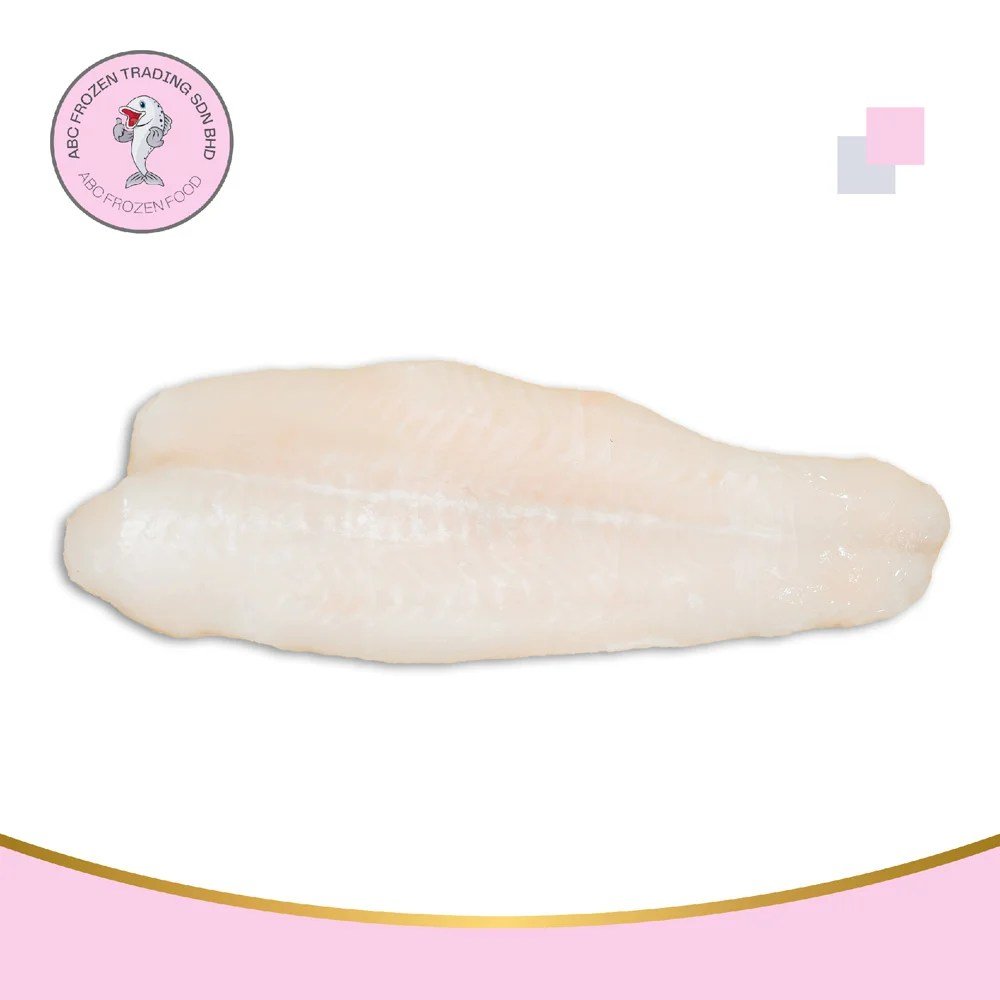
Dory fish, with its delicate flavor and tender, flaky flesh, is a true culinary delight, beloved by chefs and home cooks alike. But like any seafood, getting the most out of your Dory—both in taste and safety—comes down to mastering a few key practices in Storing & Preparing Dory Fish Safely. This isn't just about avoiding a spoiled meal; it's about protecting your health and ensuring every bite is as delicious as it should be.
This guide is designed to empower you with the knowledge of a seasoned pro, transforming apprehension into confidence in your kitchen. We’ll dive into everything from picking the freshest fish to the do's and don'ts of freezing, thawing, and cooking, ensuring your Dory experience is always top-notch and worry-free.
At a Glance: Your Quick Dory Fish Safety Checklist
- Raw Consumption? Think Twice: While technically possible, eating Dory fish raw carries significant risks of parasites and bacteria. Controlled freezing (FDA guidelines) is crucial if you consider it, but other fish are safer and tastier for raw dishes.
- Keep it Cold: Fresh Dory should be refrigerated below 40°F (4°C) and used quickly. Frozen Dory needs to be kept at 0°F (-18°C) or colder.
- Seal it Tight: When freezing, wrap Dory tightly or use airtight containers/bags to prevent freezer burn.
- Thaw Smart, Not Fast: Always thaw Dory in the refrigerator (safest) or in cold water. Never at room temperature.
- Cook to 145°F (63°C): Ensure Dory is cooked through until it's opaque and flakes easily with a fork to eliminate harmful bacteria.
- Prevent Cross-Contamination: Use separate cutting boards and utensils for raw fish, and always wash your hands thoroughly.
- No Re-Freezing: Once thawed, Dory fish should be cooked and consumed, not put back in the freezer.
Understanding Dory Fish: A Culinary Gem
Often a general term encompassing species like John Dory (also known as St. Pierre or Peter's Fish) and various Pacific Dory types, Dory fish is renowned for its mild, subtly sweet flavor and very delicate, almost translucent flesh. It's a versatile white fish that adapts beautifully to a range of cooking methods, from pan-searing and baking to grilling and deep-frying. Its fine texture and absence of a strong "fishy" taste make it a favorite even among those who are usually hesitant about seafood. It's important to note, however, that these delicious edible varieties are distinct from species like the Blue Tang (Paracanthurus hepatus), which are ornamental and not for consumption.
The appeal of Dory fish lies in its ability to take on the flavors of accompanying sauces and seasonings, making it a fantastic canvas for diverse cuisines. Its natural lean profile also makes it a healthy choice.
The Raw Question: Dory Fish Sashimi Style?
The thought of enjoying fresh, raw seafood can be tempting, but when it comes to Dory fish, this path is generally best avoided. While technically possible to consume certain types of Dory raw, it comes with inherent risks that outweigh the potential culinary experience for most home cooks.
Unpacking the Risks of Raw Fish
Eating any raw or undercooked fish, including Dory, can expose you to several health hazards:
- Parasites: The most common concern is Anisakis, a type of roundworm. If ingested, these parasites can cause an infection called anisakiasis, leading to severe gastrointestinal symptoms like abdominal pain, nausea, vomiting, and diarrhea. While proper, controlled freezing (more on this below) can effectively kill these parasites, relying on uncontrolled methods at home is risky.
- Bacteria: Raw fish can harbor various harmful bacteria, including Salmonella, Vibrio parahaemolyticus, Listeria monocytogenes, and E. coli. These can all lead to severe food poisoning, characterized by symptoms like fever, cramps, and intense digestive distress.
- Viruses: Though less common, viruses like Norovirus or Hepatitis A can also be transmitted through raw seafood if it's been contaminated.
- Heavy Metals: All fish contain some level of heavy metals like mercury. While Dory fish is generally considered to have lower mercury levels compared to larger, longer-lived predatory fish, consuming it raw doesn't eliminate this exposure. Cooking doesn't remove mercury, but for raw consumption, the source and diet of the fish are even more critical considerations.
FDA Guidelines: A Strict Protocol for Raw Fish
For fish to be considered safe for raw consumption (often termed "sushi-grade," though this isn't a regulated term for all fish), the U.S. Food and Drug Administration (FDA) has specific freezing guidelines designed to kill parasites:
- Method 1: Freeze at -4°F (-20°C) or below for 7 days (total time, including freezing and holding).
- Method 2: Freeze at -31°F (-35°C) or below until solid, and then store at -31°F (-35°C) or below for 15 hours.
These stringent conditions are difficult to replicate in most home freezers, which typically operate around 0°F (-18°C) to -10°F (-23°C). Commercial freezers or specialized equipment are usually required to reach and maintain these ultra-low temperatures consistently.
Why You Might Want to Skip Raw Dory (Even If Frozen Properly)
Beyond the safety concerns, there are compelling culinary reasons why Dory fish isn't a prime candidate for raw preparations:
- Flavor Profile: Dory's flavor is incredibly mild and delicate. When eaten raw, it can be quite subtle, often described as underwhelming compared to other fish specifically chosen for sashimi or ceviche, like tuna, salmon, or yellowtail.
- Texture: Raw Dory fish can have a softer, sometimes almost watery texture, which might not be as firm or appealing as the buttery richness of raw salmon or the meaty consistency of raw tuna.
- Better Alternatives: Many other fish species are specifically raised, caught, and processed with raw consumption in mind. These "sushi-grade" options offer safer, often more flavorful, and texturally superior experiences for raw preparations. Think of the vibrant taste of mackerel, the rich mouthfeel of fatty tuna, or the familiar comfort of salmon.
If You Absolutely Insist on Consuming Raw Dory
Should you choose to consume Dory fish raw, despite the recommendations, extreme caution and adherence to rigorous steps are paramount:
- Source Wisely: Purchase only from highly reputable sources – a trusted, high-end fishmonger or a sushi restaurant that adheres to strict food safety standards and can confirm the fish has been properly frozen according to FDA guidelines.
- Inspect for Extreme Freshness: Look for clear, bright eyes (not sunken or cloudy), gills that are bright red (not brown or slimy), firm and elastic flesh that springs back when pressed, and a fresh, mild sea scent (avoid any "fishy" or ammonia-like odor).
- Maintain Cold Temperatures: Keep the fish refrigerated below 40°F (4°C) at all times, from the moment you purchase it until just before preparation.
- Sanitize, Sanitize, Sanitize: Thoroughly clean and sanitize all cutting boards, knives, and utensils that will come into contact with the raw fish. Use a separate board for fish to avoid cross-contamination with other foods.
- Prepare Quickly: Minimize the time the raw fish spends at room temperature. Prepare and serve immediately after cutting.
- Consume Immediately: Do not store raw Dory fish for later consumption, even in the refrigerator. Any leftovers should be discarded.
Bringing Home Fresh Dory: Initial Storage & What to Look For
When you're buying fresh Dory, the clock starts ticking the moment it leaves the counter. Its delicate nature means proper immediate storage is crucial for preserving quality and safety.
What to Look for at the Fish Counter
Before you even worry about storage, ensure you're starting with the best possible product. A truly fresh Dory will have:
- Clear, Bright Eyes: Not cloudy or sunken.
- Bright Red Gills: Free of slime or brown discoloration.
- Firm, Springy Flesh: It should bounce back when gently pressed, not leave an indentation.
- Mild, Ocean-Like Scent: Never "fishy" or ammonia-like.
- Shiny, Intact Skin: If whole, scales should be tight.
Short-Term Storage (1-2 Days)
If you plan to cook your Dory within a day or two, here’s how to store it safely in the refrigerator:
- Keep it Cold: The refrigerator should be set at or below 40°F (4°C).
- Ice is Your Friend: The best way to store fresh fish is to place it in a shallow dish, cover it with crushed ice, and loosely cover the dish with plastic wrap or parchment paper. This allows for air circulation while keeping the fish at its coldest.
- Prevent Drips: Place the dish on the lowest shelf of your refrigerator to prevent any potential drips from contaminating other foods.
- Change Ice Daily: If storing for more than a day, drain any melted ice water and replenish with fresh ice.
- Original Packaging: If buying pre-packaged Dory, ensure the packaging is intact. If it's not airtight, transfer it to a clean plate and cover it with plastic wrap.
Aim to cook fresh Dory fish within 1-2 days of purchase for optimal flavor and safety. Discover more about dory fish and its versatility in the kitchen.
Freezing for Freshness: Extending Dory Fish's Life
Freezing is an excellent way to preserve Dory fish if you don't plan to cook it within a couple of days. Done correctly, it halts bacterial growth and significantly extends shelf life without substantial loss of quality.
Optimal Freezer Temperature and Packaging
To ensure your Dory fish remains at its best in the freezer:
- Temperature is Key: Your freezer should maintain a consistent temperature of 0°F (-18°C) or below. This temperature is crucial for halting bacterial activity and enzymatic reactions that can degrade the fish.
- Airtight is Right: The enemy of frozen fish is freezer burn, which occurs when air comes into contact with the fish's surface, leading to dehydration and an unpleasant dry, tough texture.
- Original Packaging: If the Dory came in an intact, vacuum-sealed package, you can often freeze it as is.
- Heavy-Duty Freezer Bags: For fillets or pieces, place them in heavy-duty freezer bags. The trick here is to remove as much air as possible before sealing. You can do this by pressing the air out manually or using a vacuum sealer for the best results.
- Airtight Containers: Another option is to wrap the fish tightly in plastic wrap, then foil, and place it in an airtight freezer-safe container. This double layer provides excellent protection.
- Ice Glaze (for Whole Fish or Fillets): For an extra layer of protection, you can dip fish in cold water, freeze it for 20 minutes, then dip it again and freeze, repeating several times to create a protective ice glaze before packaging it in a freezer bag.
Labeling and Duration
- Don't Forget to Label: Always label your frozen Dory with the date it was frozen. This simple step helps you keep track of its freezer life and ensures you use it at its peak.
- Shelf Life: While Dory fish can be stored at 0°F (-18°C) or below for up to 6 months without significant safety concerns, its quality (flavor and texture) will begin to degrade after about 3 months. For the best culinary experience, aim to consume your frozen Dory within three months.
Mastering the Thaw: Safe Defrosting Methods
Thawing Dory fish correctly is just as important as proper freezing. Incorrect thawing methods can create a "danger zone" where bacteria can multiply rapidly, compromising both safety and quality.
Refrigerator Thawing: The Safest Bet
This is by far the safest and most recommended method, though it requires a bit of planning. Slow thawing allows the fish to defrost evenly, minimizing the risk of bacterial growth.
- Prep: Transfer your frozen Dory (still in its airtight packaging) to a shallow dish or plate. This will catch any condensation or drips as it thaws, preventing cross-contamination.
- Placement: Place the dish on the lowest shelf of your refrigerator. This is a crucial step to ensure any potential drips don't contaminate ready-to-eat foods below.
- Time: Allow 12 to 24 hours for the fish to thaw completely, depending on its thickness and size. A good rule of thumb is approximately 6-8 hours per pound (450g).
- Once Thawed: Once thawed, the Dory fish should be cooked within 1-2 days.
Cold Water Thawing: When Time is of the Essence
If you're in a bit of a hurry, cold water thawing is a faster, yet still safe, alternative to refrigerator thawing.
- Seal it Up: Crucially, the Dory fish must be in a sealed, leak-proof plastic bag. If water seeps into the bag, it can make the fish watery and compromise its flavor and texture.
- Submerge: Place the sealed bag of fish in a bowl or sink filled with cold tap water.
- Refresh the Water: Change the cold water every 30 minutes. This prevents the water from warming up and keeps the fish below the danger zone temperature.
- Time: A typical Dory fillet might take 1-2 hours to thaw using this method. Thicker pieces or whole fish will take longer.
- Cook Immediately: Fish thawed using the cold water method should be cooked immediately after it's fully defrosted.
What to Absolutely Avoid: The Danger Zone
- Room Temperature Thawing: Never thaw Dory fish on the kitchen counter at room temperature. The outer layers of the fish will warm up rapidly, entering the "danger zone" (between 40°F and 140°F / 4°C and 60°C) where bacteria multiply quickly, while the inside remains frozen. This significantly increases the risk of foodborne illness.
- Hot Water Thawing: Similarly, thawing fish in hot water is a no-go. It can start to cook the outer edges of the fish, leading to a rubbery texture, while the center might still be frozen.
Cooking Dory to Safe & Delicious Perfection
Once your Dory fish is properly thawed and ready, cooking it correctly ensures both its incredible taste and, more importantly, its safety. The goal is to reach an internal temperature that kills harmful bacteria without overcooking the delicate flesh.
The Magic Number: 145°F (63°C)
The FDA recommends cooking all seafood, including Dory fish, to an internal temperature of 145°F (63°C). Using a reliable food thermometer is the most accurate way to confirm this. Insert the thermometer into the thickest part of the fish, avoiding bones.
Visual Cues: Your Kitchen's Thermometer
Even without a thermometer, you can tell Dory fish is safely cooked by its appearance:
- Opaque All the Way Through: Raw Dory is somewhat translucent. When cooked, it should be opaque (solid white) throughout, with no raw-looking, glossy, or translucent areas remaining in the center.
- Flakes Easily: Gently poke the thickest part of the fish with a fork. If it's done, the flesh will separate easily into flakes. If it resists, it needs more cooking time.
- Moist, Not Dry: Properly cooked Dory will still be moist and tender. Overcooked Dory tends to become dry and tough, losing its delicate appeal.
Popular Cooking Methods for Dory
Dory's mild flavor and delicate texture make it suitable for various cooking styles:
- Pan-Searing: A quick and easy method that yields a beautiful golden crust. Cook 3-4 minutes per side until opaque.
- Baking: Place fillets on a baking sheet, season, and bake at 400°F (200°C) for 10-15 minutes, or until it flakes.
- Grilling: For firm fillets, a grill basket can prevent sticking. Grill 3-5 minutes per side.
- Frying: A light batter or breading works wonderfully with Dory, creating a crispy exterior and tender interior.
Regardless of the method, always ensure that internal temperature is met.
The Golden Rules of Kitchen Hygiene: Preventing Cross-Contamination
When handling raw fish, preventing cross-contamination is paramount. This means keeping raw fish and its juices away from ready-to-eat foods and clean surfaces.
- Handwashing is Non-Negotiable: Wash your hands thoroughly with soap and warm water for at least 20 seconds before you start preparing food, and especially immediately after handling raw Dory fish.
- Separate Surfaces: Designate a specific cutting board (ideally a non-porous one, like plastic or glass) and knives solely for raw fish. Never use the same board or utensils for vegetables, cooked foods, or other ingredients without thoroughly washing and sanitizing them first.
- Clean as You Go: Immediately wash any dishes, utensils, or surfaces that have come into contact with raw Dory fish with hot, soapy water. Consider a bleach solution (1 tablespoon of unscented liquid bleach per gallon of water) for sanitizing surfaces after cleaning.
- Plate Smartly: Never place cooked Dory fish back on the same plate or cutting board that held raw fish unless it has been thoroughly washed and sanitized.
These simple habits drastically reduce the risk of transferring harmful bacteria around your kitchen.
The Re-Freezing Riddle: Why Not to Do It
A common question is whether you can re-freeze Dory fish after it's been thawed. The simple answer is: No, you should not re-freeze thawed Dory fish.
Here's why:
- Texture Degradation: Freezing causes ice crystals to form within the fish's delicate cells. When thawed, these crystals melt, causing some cellular damage and moisture loss. Re-freezing and re-thawing amplifies this damage, resulting in a significantly drier, tougher, and less appealing texture. The fish will lose its signature tenderness and flakiness.
- Increased Bacterial Growth Risk: Each time fish thaws, it enters the "danger zone" where bacteria can multiply. While the initial thawing process can be managed safely, re-freezing after the fish has spent time thawed (even in the refrigerator) increases the cumulative time it spends in this zone. This raises the risk of bacterial growth and potential foodborne illness, even if cooked afterward.
The Rule: Thaw it once, cook it, and then enjoy. If you have cooked Dory leftovers, those can be safely refrigerated and consumed within 3-4 days, but they should not be re-frozen.
Your Dory Fish FAQs Answered
Let's address some common questions about Dory fish to round out your expertise.
What are the signs of spoiled Dory fish?
Spoiled Dory fish will exhibit several clear indicators:
- Strong, Pungent Odor: A distinct sour, "fishy," or ammonia-like smell is the most obvious sign. Fresh fish should smell mildly like the ocean.
- Dull, Slimy Appearance: The flesh will lose its natural sheen and may develop a thick, milky, or discolored slime.
- Mushy Texture: The flesh will be soft, mushy, or stringy, and will not spring back when touched.
- Cloudy, Sunken Eyes (for whole fish): Eyes that were once clear and bright will become dull, cloudy, or sunken.
When in doubt, throw it out. It's not worth the risk.
Can I thaw Dory fish in the microwave?
While technically possible, thawing Dory fish in the microwave is generally not recommended for quality reasons. Microwaves often thaw unevenly, leading to some parts of the fish beginning to cook while others are still frozen. This can result in a rubbery texture and dry spots. If you must use a microwave, use the defrost setting, and check frequently, breaking up any ice crystals. Cook the fish immediately after microwave thawing.
How long can cooked Dory fish be stored?
Cooked Dory fish can be safely stored in an airtight container in the refrigerator for 3 to 4 days. Always ensure it's cooled quickly after cooking (within two hours) before refrigerating. Reheat thoroughly to an internal temperature of 165°F (74°C).
Is Dory fish high in mercury?
Generally, Dory fish (like John Dory or Pacific Dory) is considered to have lower levels of mercury compared to larger, longer-lived predatory fish such as swordfish, shark, or king mackerel. As a flatfish, it's typically a safer choice regarding mercury content. However, specific levels can vary based on the fish's origin, diet, and size. For those concerned about mercury, enjoying Dory in moderation as part of a varied seafood diet is a sound approach.
Beyond the Basics: Confidence in Your Kitchen
Mastering the safe storage and preparation of Dory fish is more than just following rules; it's about gaining confidence in your kitchen and respecting the ingredient. By understanding the risks, adhering to proper temperatures, and practicing good hygiene, you transform the delicate Dory from a potential concern into a source of culinary joy.
From selecting the freshest fillets to knowing exactly how to freeze, thaw, and cook them, you now have the knowledge to handle Dory fish like a seasoned pro. So go ahead, experiment with new recipes, invite friends over, and savor every safe, delicious bite. Your journey into confident seafood preparation starts now!